Breeders classify their birds in accordance to shade and variety, as a substitutethan breed. The color describes the regular plumage of the budgie, and the variety refers to the sample and/or colour of its markings (see Budgie Varieties, below).
The colors that distinguish the two broad groupings of budgie are green/yellow and blue/white. The underlying hue of most budgie types can be identified by way of the shade of the mask (the area of the face between crown and throat).
<The two basic colour types are green and blue>
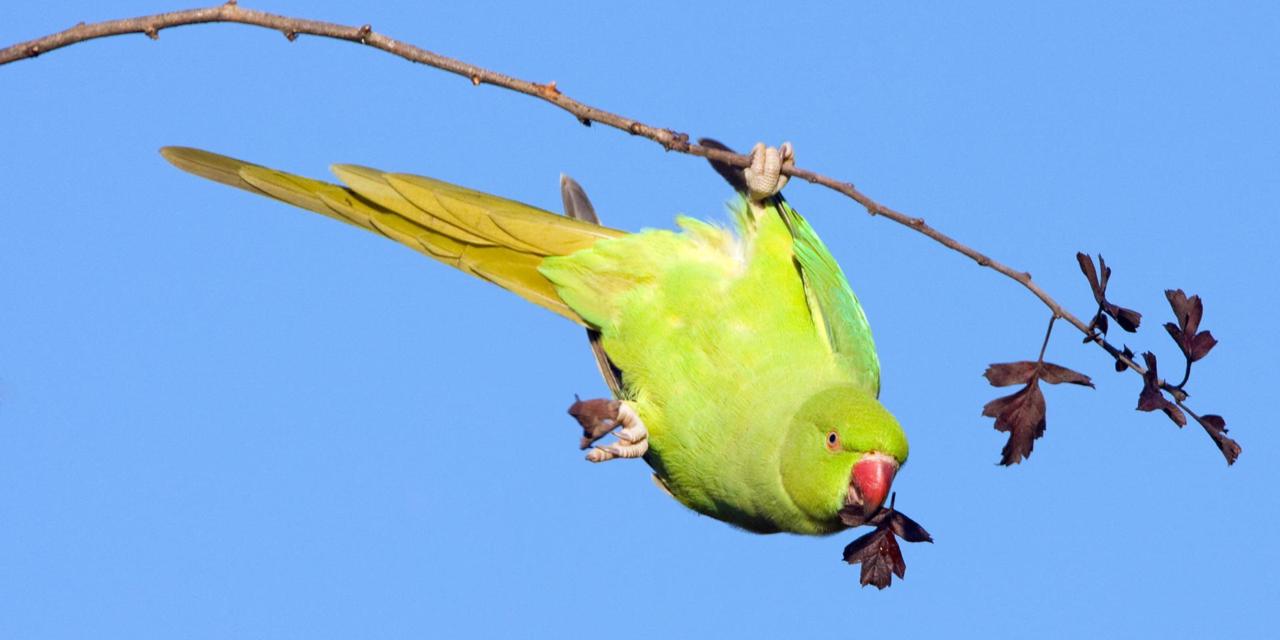
The ancestral wild budgerigar is a lemon-and-lime mixture of veggies and yellows, and this aggregate is very common amongst pet birds. The blue/white type is very popular too, in varying tiers of darkness from gray to cobalt.
Budgie Colours..
There are many color versions in pet budgies, all based on a fundamentalpalette of yellow and blue pigments. Blue and yellow equals green, and this is the dominant shade in wild budgerigars. In many pet varieties, the yellow pigment is absent, and the blue shows through against a white (rather than yellow) base. Add some black into the mix, and you’ve covered all the ground.
One element you by no means find in budgies is crimson pigmentation. Any purple tinge will be due to a colorant in the bird’s food instead than a tendency in its genes. But this gap in the palette has no longer avoided a astonishing assortment of coloration variations, from smoky greys to azure blues, and pastel veggies to mustard yellows. There are also some albino specimens in the mix, as with any animal species, lacking in the typicalpigmentation.
< Budgies come in many colour varieties>
The darkish pigment – the one that turns the yellows inexperienced and splashes blue across the white – is a form of melanin referred to as eumelanin. The yellow pigment is psittacofulvin, mercifully shortened to psittacin.
Different Budgie Types..
From the authentic wild budgerigar, there are now greater than thirty regarded fundamental color combos amongst pet budgies. The birds sporting these colorations are no longer one-offs, however have plumage that has been constant via gene mutation.
Mutation isn’t restricted to captive-bred birds – it occurs in the wild simplyas readily, and is the innovative hub of evolution. In the wild a colourmutation is unlikely to bestow an advantage that will allow the new hue of budgie to breed extra effectively than its green brothers and sisters. This capability it will quickly die out, as the weird-coloured budgie is probably to be bypassed via conservative woman birds in favour of the regular greenand yellow livery.
In captivity, however, breeders can isolate budgies with novel coloration and breed them with similar birds to create a flock of that specific type. From there, the whim and perseverance of the budgie keeper can combine and healthy nearly endlessly; and within the thirty-odd fundamental budgie shade schemes, there are dozens of variations.
Budgerigar Colour Varieties..
The shade palette can be enriched via the presence of genes that influence the shade or depth of colour, or that alter some of the birds’ markings.
One of these genes darkens the shade of budgies’ plumage, the extent of the darkening depending on the variety of genes current in the hen (i.e. two, one or zero). This Dark thing gene is absent in the wild budgerigar, whose colouring is referred to as Light Green. With one dark thing gene present, the budgie will become a Dark Green type; with two, it is Olive. The equal colours in blue/white budgies are Skyblue, Cobalt and Mauve. These last three can be complicated through genetic features known as Yellow Face or Gold face. Birds with these genes recreation yellow faces on otherwise blue/white bodies (see Yellowface Budgies section, below).
< Different genes determine different colour types>
The shade scheme can be churned up in different desirable ways, too. The Grey element gene brings a gray wash to budgie feathers, making inexperienced birds green-grey, and turning blue birds a lovely smoky shade. Violet thing deepens and darkens the colours in each green/yellow and blue/white birds, every so often producing an electric red effect. Slate factor, a very uncommon gene, lends a blue-grey slate darkness to the plumage.
Budgie Colour Expectations
The color of a budgie chick depends on its parents. Dominant genes, such as the one responsible for the yellow/green colouring observed in wild budgerigars, will always dictate plumage coloration if exceeded on. Pet budgies, however, come in such diverse shade patterns that it’s oftenchallenging to predict exactly what the offspring will seem to be like.
For example, a chook may additionally be carrying a non-dominant (recessive) gene for blue/white feathers, ‘hidden’ at the back of the dominant one for yellow/green feathers. The blue won’t show up in the hen itself, however the gene can also get surpassed on to the subsequent generation, where, if it pairs with any other recessive gene, the blue coloration will show.
<Colour variety is part of the appeal in a flock of budgies>
All non-Light inexperienced type birds (i.e. ones that don’t have the sameplumage as wild budgies) are the end result of gene mutation. The most common variant, the blue/white budgie, has certainly lost its yellow pigmentation. These two basic base color schemes – yellow/green and blue/white – are elaborate by way of the presence of a number of mutant genes. Markings or physique colours can also become lighter or darker, and some elements (such as chin spots or black feather borders) may additionally disappear altogether.
Birds can elevate either one or two of the equal ‘mutant’ gene, and the place two are present, the impact of that precise gene (colour or markings, for example) will be better further. In a lot of birds, two distinct mutant genes mix to produce lovely effects – types such as the Yellowface and Dominant Pied, for example, noted in the Budgie Markings part below.
The secret of a budgie’s colour, then, lies in its parents’ genes. Breeders comprehend that when they put two Light vegetables together, there is a 99.9% threat (barring random gene mutations) that the offspring will be Light greens. Likewise, a Light green and Skyblue cross will also produce a Light green, as that is the dominant gene. The next generation, however, inheriting two colour-coding genes each, shuffles the genetic pack a bit more. Some of those recessive Skyblue genes will have been passed on, and anyplace two mix in an person bird, that will be the color its plumage assumes.
Budgie breeders often choose guardian birds carefully in an effort to produce the best bird. Others revel in the potluck of pairing extraordinarytypes of budgie, looking for special variations on a theme. Most are flawlessly comfortable with elevating healthy chicks, regardless of coloration or markings.
Very occasionally, a new mutation will produce something never seenbefore, such as the Blackface budgies that appeared and disappeared in the Nineteen Nineties (see rare Budgie Types, below).
< Contrasting colours in two young budgies>
Budgie Colour Change.
If a budgie’s plumage adjustments color after it has reached adulthood, it is usually a sign of deficiency in the diet. An all-seed diet, for example, can be low in nutrition A, which makes the budgie’s feathers appear much lessbright. Make sure your birds are eating well, and the trouble should solveitself.
Another reason may additionally be lack of cleanliness. If a budgie doesn’t regularly preen – i.e. smooth its feathers – it will seem faded, dusty and generally messy. Provide your pet with water for non-public hygiene – by means of wet salad leaves and herbs, or a budgie bathtub – and he will fortunately bathe and preen himself. The preening entails a cautious beak-manicure of individual feathers, the use of an oil gland on the budgie’s rump to supply a healthy, waterproof, oily sheen.
If your budgie is being bullied, plagued by using parasites, or is sick for any different reason, his colours may also seem duller or dirtier than usual. Prevention and remedy are the reply (see the area beneath on Budgie Health).
The solely budgie kind that virtually adjustments colour over the months as it moults is the Opaline, referred to in the Pied Budgies section below.